
Plastic Surgery Marketing: Nurturing High-Ticket Leads with Educational Content

Plastic Surgery Marketing: Nurturing High-Ticket Leads with Educational Content
Startling fact: Only five percent of plastic surgery marketing campaigns actually result in booked consultations that lead to surgery. The rest? Wasted time, missed follow-ups, and frantic surgeons wondering why their high-ticket leads ghosted them. If you feel like “marketing” pulls you further away from running your actual practice, you’re not alone – and you’re right to question the agencies causing the chaos. Here’s the system that cuts the noise, nurtures real leads, and reclaims your hours.
The Broken Model: Why Most Plastic Surgery Marketing Fails Busy Surgeons
"You should spend your time optimizing surgical outcomes, not ad campaigns. Yet many marketing firms still expect you to babysit the process."
- Overreliance on social media without strategic direction
- One-off surgery marketing campaigns that fail to nurture leads
- Outdated digital marketing tactics that ignore asset ownership
- Vanity metrics prioritized over actual results for plastic surgeons
The traditional plastic surgery marketing approach leaves most surgeons frustrated. You’re overloaded by social media “tips,” drawn into expensive one-off campaigns, and pressured to hit engagement numbers that have zero correlation to new surgery patients. What’s ignored? Systems that turn prospects into high-ticket clients, with marketing assets you actually own. Too often, marketing for plastic surgeons becomes the equivalent of shouting in a crowded digital room—no systems, no follow-up, and no way to measure genuine ROI.
If agency partners constantly ask for “your help” on every tweak or expect you to star in daily Instagram Stories, they are not solving problems—they are creating new ones. Your schedule demands a system that runs quietly in the background, delivers actual leads, and builds asset value over time. Relying on social media and one-size-fits-all content only rents fleeting attention; it does nothing to move real, discerning plastic surgery patients through the door. To thrive, busy practices need integrated, automated solutions that give back your time while driving quantifiable results.
What You'll Learn About Plastic Surgery Marketing Systems
- How to build marketing systems that run without daily oversight
- The superiority of Agentic Journalist content for plastic surgery practices
- Turning every piece of content into an investment, not an expense
You will learn how to stop micromanaging ad campaigns and start building high-ticket lead pipelines on autopilot. Discover how the Agentic Journalist model crushes generic content mills and AI filler, establishing you as the go-to authority in your market. This is not another short-lived “campaign.” Every asset you’ll build is designed to mature in value over time—feeding your pipeline year after year, not just boosting this month’s Instagram stats.

Stat Snapshot: The Real Numbers that Define Plastic Surgery Marketing Success
| Marketing Metric | Industry Benchmark | Top-Performing Practices |
|---|---|---|
| Conversion Rate (Leads to Consults) | 4–7% | 12–18% |
| Avg. Digital Marketing Spend (Monthly) | $3,000–$9,000 | $7,500–$25,000 |
| Patient Lifetime Value | $8,500–$28,000 | $20,000–$55,000+ |
| Top Lead Sources | Social Media, SEO, Referrals | SEO, Authority Content, Nurture Emails |
What moves the needle for plastic surgery marketing? High-ticket consults and long-term practice growth, not “likes” or shares. The top 5% of practices consistently outperform using digital marketing systems built for efficiency, not ego. Their marketing strategy isn’t just about attracting more eyeballs—it’s about attracting the right prospective patients, obsessively nurturing them, and automating every step from first contact to booked consult. They invest in content assets (authority blogs, in-depth videos, educational campaigns) that scale on search engines and convert high-value leads, even while the surgeon is operating.

Who Buys? Defining the High-Ticket Plastic Surgery Audience
Who is the target audience for plastic surgery?
High-ticket plastic surgery seekers are typically professionals aged 30–60, both men and women, with substantial disposable income and demanding lifestyles. They value privacy, clinical expertise, and clear, educational guidance from their chosen plastic surgeon. This audience isn’t browsing social media for quick trends—they research. They expect every touchpoint, from your digital marketing to your patient coordinator, to exude trust and sophistication. For these plastic surgery patients, educational content isn’t fluff; it’s a necessity that reassures them you’re the right surgeon—and that the investment is justified.
Targeting this demographic means building a digital marketing strategy that addresses their questions before the consult. Authority-driven blog content, engaging video case studies, and well-sequenced email marketing nurture their journey. Prospective patients want to feel seen—and they want personalized reassurance that you handle cases like theirs, with successful outcomes and transparent aftercare. Connecting with these clients requires more than online marketing noise. It demands a plastic surgery marketing system that is personal, privacy-first, and rooted in real expertise.

From Renting to Owning: The Systemic Approach to Plastic Surgery Marketing
Asset Ownership vs. Renting Attention in Surgery Marketing
- SEO-optimized content for plastic surgeons
- Educational media marketing and authority videos
- Nurture email marketing for surgery practices
Most agencies keep you stuck “renting” audience attention—paying for social media boosts, PPC campaigns, or influencer shoutouts on media platforms that disappear overnight. You want to own your results. This means creating digital marketing assets that live on your site, on your email list, and reinforce your brand’s expertise for years to come. High-value SEO content, thoroughly researched authority videos, and nurturing email marketing sequences aren’t one-and-done tricks—they’re compounding assets, driving organic surgery patients via search engines and direct channels long after the initial investment.
Asset ownership in plastic surgery marketing isn’t just about traffic; it’s about trust. When you own your email list, your case study library, and your authority blog, you’re not subject to the fleeting whims of social media platforms or changes in online PR policies. Instead, you systematically build a base of prospective patients who grow colder and colder toward competitors every time they read your content or watch your expert interview. Start swapping “rented” attention for real asset ownership, and watch your return on investment multiply—not evaporate.
The Agentic Journalist: Why Interview-Based Content Dominates Surgery Marketing
"AI tools can fill a page. Agentic Journalists fill your calendar with clients. There’s no contest."
- Authentic patient stories that build trust
- Expert interviews for social media marketing and videos
- Google-favored authority content on surgery practice knowledge
Mass-produced, generic content does nothing for plastic surgeons who want to stand out—or for the busy, high-value clients you want to attract. The Agentic Journalist approach replaces bland blog posts with interview-driven authority: your expertise translated into compelling patient journeys, filmed Q&As, and insider tips that prospects can trust. This is content marketing that feels like medical journalism, not shallow marketing for plastic. When Google, social media users, and email subscribers encounter your content, they see proof instead of puffery. That’s why interview-based content consistently outperforms AI fillers and human ghostwriting at every step in the surgery marketing funnel.
Social proof is everything for high-ticket plastic surgery patients. If your content library offers a behind-the-scenes look at your methods, thoughtful commentary on cosmetic surgery trends, and real before/after stories, you’re not just another name in local search engines. Prospective patients remember you, trust you, and book. Agentic journalism ensures every digital marketing asset scales your time and reputation instead of adding more tasks to your calendar. This is how you dominate—without burning out.

Building the Plastic Surgery Marketing Funnel: Step by Step
- Attract with digital marketing asset (authority blog, video, SEO)
- Nurture with automated email marketing for plastic surgeons
- Convert with a custom consultation offer (landing page or call)
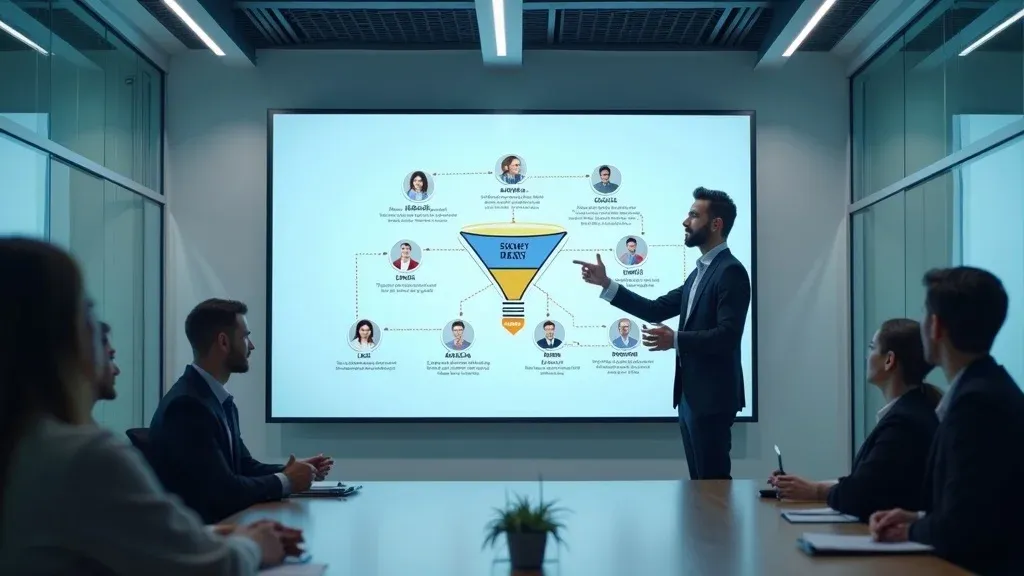
Great plastic surgery marketing is systematic, never sporadic. The funnel begins with high-value authority content—SEO-optimized blogs, in-depth videos, and media marketing features that draw your ideal audience in. Next comes nurture: automated email marketing, sequenced and personalized to build rapport and answer questions before they’re even asked. Finally, you convert: instead of generic “contact us” buttons, you offer curated consults (with exclusive bonuses for email subscribers or video viewers) on streamlined landing pages. Every phase works in harmony to impress your potential patient—and costs you zero extra hours once the system is live.
The true power of this system is predictability. No more guessing which media marketing post worked, no more fragmented online marketing. Every asset is tracked, measured, and continually optimized for higher conversions. With a fully mapped out funnel, your digital marketing works while you focus on surgical precision, not endless content creation. Automation, agentic journalism, and asset ownership combine to nurture leads, win trust, and create robust ROI for your plastic surgery practice.
Social Media, Media Marketing, and Surgery Marketing Campaigns: What Actually Moves the Needle?
- Social media vs. education-first content for high-ticket leads
- When to use online PR to boost credibility within plastic surgery practice marketing
- Blending search engine optimization with case study videos
Not all media marketing channels are created equal. While social media can boost visibility for fun or “trending” cosmetic surgery topics, it rarely moves high-value leads into your consultation room. Education-first strategies—agentic interviews, in-depth blog posts, and email series—win the trust of discerning plastic surgery patients who demand credible detail, not empty hype. Successful marketing for plastic surgeons knows when to use online PR for gravitas (press features, expert roundups, professional awards) and when to lean into content that performs on search engines: think patient journey videos, interactive case studies, and practical guides that answer prospective patients’ real concerns.
Blending these channels creates a compounding effect. Case study videos posted to your website design, repurposed for social media clips, and referenced in nurture emails establish massive authority at every touchpoint. The end goal is not “likes”; it’s inquiries from prospective patients who have already been educated, reassured, and motivated by your digital marketing system—so your time on consult calls becomes dramatically more efficient and profitable. That’s how you move the needle out of marketing chaos and into booked surgical procedures.
Website Design for Plastic Surgeons: Building Trust at a Glance
How website design influences cosmetic surgery marketing outcomes
- Mobile responsiveness and fast load times
- Clear testimonials and video case studies
- Strategic CTAs aligned with surgery practice goals
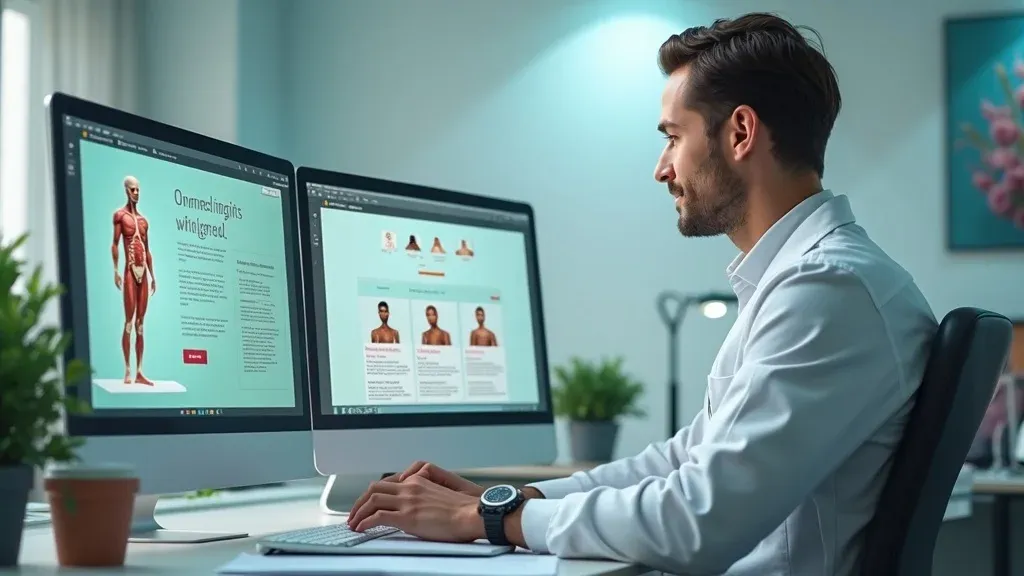
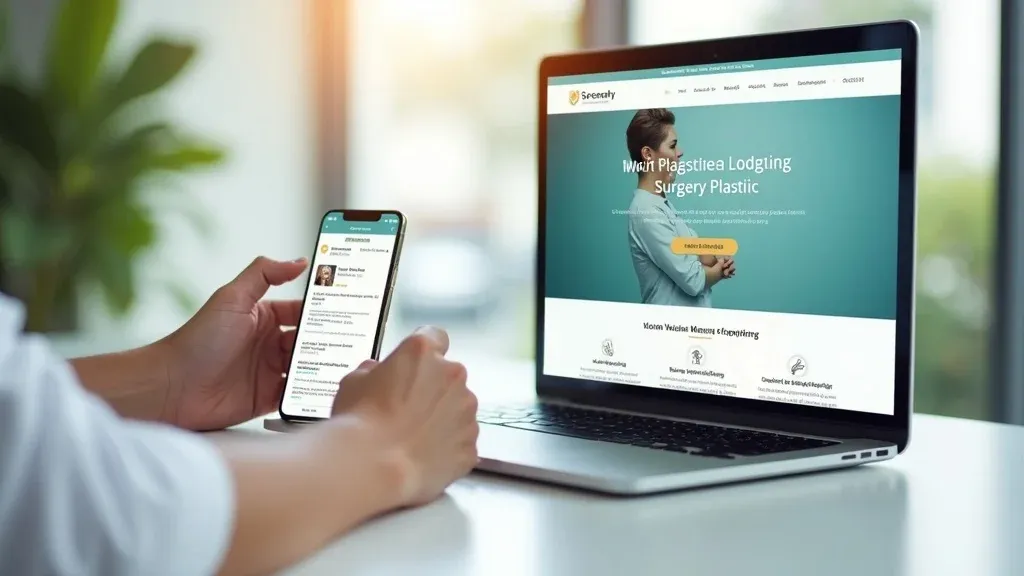
Your website design is the cornerstone of trust in plastic surgery marketing. Prospective patients visit your site often after seeing you on media platforms, and they will judge your credibility in seconds. A slow, outdated, or cluttered site signals incompetence—losing you high-ticket surgery patients before they even call. Instead, prioritize responsive website design that loads quickly on every device and directs attention to what matters: peer testimonials, video case studies, and clear calls to action that nudge potential patients to schedule consults or download educational guides.
This isn’t just about looks; it’s about conversion science. Plastic surgery patients are risk-averse and privacy-conscious. They need immediate visual reassurance that your practice is professional, organized, and transparent. Strategic website architecture—structured with search engine optimization, media-rich trust signals, and no-nonsense booking processes—ensures your online presence outshines the competition, driving digital marketing results that matter all year long.
Marketing Strategies for Plastic Surgeons: System, Not Silos
- Email marketing, content, social media, and online PR working in tandem
- Measuring results in booked consultations, not 'likes' or 'shares'
- Systematizing the follow-up process to maximize surgery marketing ROI
Fragmented marketing strategies burn time and money. Integrated systems—where each digital marketing asset works together—create exponential results. Your agentic journalist content (videos, guides, interviews) fuels your email marketing, which drives social media engagement, which in turn strengthens your online PR outcomes. But everything is measured in the only metric that counts: booked, qualified consults. Chasing vanity stats is the trap of low-rent marketing agencies; real growth comes from marketing for plastic surgeons that is measured in new patients, repeat business, and lifetime value.
The key is systematic follow-up. Automated nurture emails and triggered reminders ensure no high-value surgery patient falls through the cracks. Every interaction is tracked with marketing dashboards, so you know exactly which asset fed which lead, and where to focus for even greater return on investment next quarter. This is not a campaign—it’s a self-sustaining marketing machine, freeing you to focus on patient outcomes, not endless marketing to-dos.
White-Coat Authority: Positioning Yourself as the Go-To Plastic Surgeon
- Leverage press features and online PR
- Showcase peer-reviewed expertise in educational videos
- Publish insightful, jargon-free case studies
Your white coat is your biggest differentiator—it signals both authority and accountability. Use it. Strategic online PR features (local news, national media, peer-reviewed publications) reinforce your expertise and trustworthiness for high-ticket clients researching their options. Educational videos—filmed as part of the agentic journalist approach—demonstrate not just technical ability but bedside manner, instilling confidence in surgery patients before they ever contact you. Finally, publish case studies that skip the medical jargon, walking future patients through outcomes, challenges, and real stories in plain English. The result: you become the default choice for discerning cosmetic surgery seekers in your area, not just another listing on a media platform.

Email Marketing for Plastic Surgery Leads: Automation That Actually Nurtures
- Timing and sequencing expert follow-up emails
- Personalization tactics that move high-ticket leads along the funnel
- Legal and privacy best practices for digital marketing in healthcare
For plastic surgery marketing, automation is not about spammy newsletters but about expert, sequenced educational follow-ups. The most successful plastic surgeons use email marketing as a nurture engine, sending the right message at exactly the right time—never too soon, never too late. Personalized touches (dynamic content, patient history, FAQ responses) nudge ideal prospects along the funnel without making your team manually send every message. With the correct tools—and respect for HIPAA compliance and privacy norms—these systems warm high-value leads silently, keeping your consult calendar full while you focus on surgery and recovery outcomes, not email blasts.
Automation does not mean losing the human touch. The best digital marketing campaigns for plastic surgeons blend clinical knowledge, agentic journalism content, and targeted product education to keep prospective patients informed, reassured, and eager to book. And because every message is logged and tracked, your practice stays compliant—and future optimizations become obvious, based on real data instead of best guesses or gut feels.
Reporting That Matters: What High-Performing Plastic Surgery Marketing Dashboards Track
| Metric | What It Tells You |
|---|---|
| Conversion Rate | % of leads who book consultations – measures system health, not vanity. |
| Inquiry Quality | Lead scoring for pre-qualified, high-value patients (not just "traffic"). |
| Lead Source | Tracks asset performance (SEO, email, PR, social media, etc.). |
| Patient Lifetime Value | Real return on investment—how much each patient brings over their care cycle. |
Numbers matter—but only if you’re tracking what moves profit, not just popularity. Ditch “social media reach” in favor of conversion rates and lifetime value. Track every asset with authentic marketing dashboards, not screenshots from a social media platform. When you can see, at a glance, which digital marketing tactic led to each consult, you free your practice from endless experimentation and start investing confidently in what actually grows your bottom line. Reporting is not another chore; it’s a feedback loop that makes you unbeatable in your market.
FAQs: Plastic Surgery Marketing, Surgery Marketing, and More
- Cost per lead for digital marketing systems
- Duration to see ROI for surgery marketing
- How to vet agency partners for marketing for plastic surgeons
- What types of media marketing work best
What is the average cost per lead for digital marketing in plastic surgery? For well-optimized systems, cost per qualified lead typically ranges from $60–$220, depending on location, procedure type, and asset maturity.
How long does it take to see ROI from plastic surgery marketing? High-performing campaigns yield visible consult increases within 2–3 months; full asset ROI and lifetime value gains compound at 6–12 months, as owned content and nurture systems mature.
How can I vet a marketing agency for my plastic surgery practice? Seek partners who build systems, not just campaigns: look for trackable reporting, content asset ownership, interview-based content production (agentic journalist model), and integrations that don't require your daily attention.
Which types of media marketing are most effective for high-ticket plastic surgery? SEO-optimized authority content, expert interview videos, nurture email marketing, and select online PR features consistently outperform generic social media posts or paid ads alone.
People Also Ask: Industry Questions on Plastic Surgery Marketing
Is Dr. Layke a real doctor?
Yes, Dr. John Layke is a board-certified plastic surgeon based in Beverly Hills, CA.
Who is the target audience for plastic surgery?
Primarily adults, ages 30–60, professionals seeking cosmetic or corrective procedures who value privacy, expertise, and educational guidance.
How big is the plastic surgery market?
The global plastic surgery market exceeds $60 billion annually, with U.S. surgeries accounting for a significant share of growth every single year.
What is surgical marketing?
Surgical marketing refers to specialized marketing strategies and systems designed to attract, educate, and convert prospective patients for surgical practices, focusing on high-trust, high-ticket procedures.
Key Takeaways: Plastic Surgery Marketing as a System, Not an Experiment
- Own your content assets—don’t rent attention
- Use Agentic Journalist interviews for unrivaled trust
- Automate nurture and reporting to protect your time
Next Steps: Your 15-Minute Free Plastic Surgery Marketing Breakdown
Ready to turn your content into an asset that drives consultations—without adding more to your plate? Get your free 15 minute marketing breakdown: https://automarka.digital/contact