
Personal Injury Lawyer Marketing: Building Authority Without the "Ambulance Chaser" Stigma

Personal Injury Lawyer Marketing: Building Authority Without the "Ambulance Chaser" Stigma
86% of consumers distrust law firm ads that sound like hype, yet 70% of lawyers still use them as their primary personal injury lawyer marketing strategy. Getting found by injury clients shouldn’t mean sacrificing your law firm’s brand or ethics. Most lawyers know the “ambulance chaser” label isn’t fair, but they feel trapped by the old playbook: loud, generic ads and desperate promises. This guide shows you how to ditch that image, own your authority, and build a marketing system that delivers respect, trust, and real case growth—without sounding like everyone else on TV at 3 AM.
Ripping Off the Band-Aid: Why Most Personal Injury Lawyer Marketing Feels Desperate
Personal injury lawyer marketing usually starts with urgency, the idea that the more visible—and loud—a law firm is, the more chances it has to win new cases. But this approach has a major drawback: it makes most injury lawyers look like they're chasing ambulances, not building trust. Busy attorneys know what’s at stake. Every wasted minute on “spray and pray” advertising is another lost billable hour, a hit to your professional reputation, and one more referral source that stops picking up your calls. The average injury law firm spends tens of thousands a year just to keep up. Yet, clients who remember your jingle are often the first to question your fees or shop for the next fastest talker.
"86% of consumers distrust law firm ads that sound like hype, yet 70% of lawyers still use them as their primary personal injury lawyer marketing strategy."
The Real Cost of Chasing Clients: How Low-Trust Injury Law Advertising Bleeds Your Firm
Flashy ads don’t just burn your marketing budget. They kill authority. If your law firm’s website, billboards, and social media sound like everyone else’s, potential clients lump you in with every "1-800-QUICK-CASH" competitor. The personal injury marketing cycle becomes a treadmill—expensive, exhausting, and built on rented attention. Brand trust craters, while your best clients go searching for “the law firm that feels real.” Worse, attention that’s bought disappears the second your ad campaign stops running, forcing your injury law firm to start from scratch again—and again. It’s time to stop mistaking noise for momentum, and start building assets that do the heavy lifting while you actually practice law.
What You'll Learn in This Guide to Personal Injury Lawyer Marketing
- Personal injury lawyer marketing systems that build credibility instead of reputation risk
- Agentic Journalist content vs. traditional marketing for injury lawyers
- Automating authority with digital marketing assets
- Key differences for injury law firms that move from renting attention to owning it

Resetting the Narrative: System-Based Personal Injury Lawyer Marketing, Not Shotgun Tactics
Let’s be clear: Your injury law firm isn’t desperate. But your marketing? If it’s built on outdated tactics, it looks that way to the outside world. Winning the right personal injury clients is about building a marketing system that scales, automates, and maintains your reputation—even while you’re in court or focused on billable work. Forget jumping from one “hot” tactic to the next. The real leverage is in digital marketing assets—SEO, branded content, video—that work without constant micromanaging or ad reinvestment. This shift turns your marketing from a scramble into a business asset just like your case management software, referral network, or office space.
Personal Injury Law Firm Asset Building: Authority vs. Hype
The best injury law firms don’t chase every lead—they attract the right injury clients through credibility. Authority comes from owned marketing channels: clear, trustworthy content; optimized websites; and digital proof that you are the go-to personal injury lawyer in your market. This is not about expensive TV spots or flashy “win big” slogans. Instead, build a law firm branded for long game success—a brand that stands up to digital scrutiny, outlasts short-lived competitors, and brings in higher-value, loyal personal injury clients.
Owning, Not Renting: From Personal Injury Law Ad Spend to SEO and Brand Assets
It’s easy to rent attention—just stroke a check and launch another PPC campaign. But that attention disappears as soon as the budget dries up. Injury law firms that win in the new legal market focus on building SEO authority, launching interview-based branded content, and systemizing digital assets that work 24/7. These owned channels become your moat: the longer you invest, the harder it is for competitors to catch up. Real injury lawyer marketing doesn’t just fill a funnel; it builds a fortress of trust, reputation, and client equity.
| Traditional Injury Marketing | System-Based Asset Marketing |
|---|---|
| Loud, hype-driven TV/radio ads | Evergreen expert articles & SEO ranking pages |
| Calling leads & chasing referrals manually | Automated, nurtured client follow-ups via CRM/email |
| Short-term Google Ads & paid campaigns | Interview-based expert videos & social proof |
| Expensive billboards—gone as soon as you stop paying | Unique branded podcasts, testimonials, and FAQ resources |

The System That Builds, Not Chases: Framework for Personal Injury Lawyer Marketing that Survives Scrutiny
If you’re exhausted by the marketing hamster wheel, here’s the system that puts your law firm in control—not your ad vendor. Every element of this process is intentional, repeatable, and built for scale. You don’t need another trick; you need predictable, lasting results—without scrambling or missing out on billable work.
Step 1: Hyper-Specific Niche Targeting for Injury Lawyers and Their Clients
The scattershot approach is dead. Instead, hone in on the hyper-specific client profile your personal injury law firm actually wants—think “construction site TBI in Houston” or “rideshare accident spine cases in Miami,” not just “anyone with a fender bender.” This level of focus weeds out time-wasters, streamlines your intake process, and increases both referral and retention rates. Build content and marketing assets that speak directly to these ideal client pain points and you’ll see a higher quality of inquiries and a more efficient practice overall.
Identifying the Ideal Personal Injury Law Client Profile
Profile your best cases from the last 12–18 months. Which injury clients were easiest to work with? Who paid and referred on time? Look for commonalities—accident type, location, insurance carrier issues, even language spoken. Use this data to fuel your personal injury lawyer marketing efforts, tailoring messaging and assets around real, not theoretical, clients. The result: a higher ROI from both digital and referral sources.

Step 2: Agentic Journalist Content Method — Positioning Your Injury Law Firm as the Go-To Authority
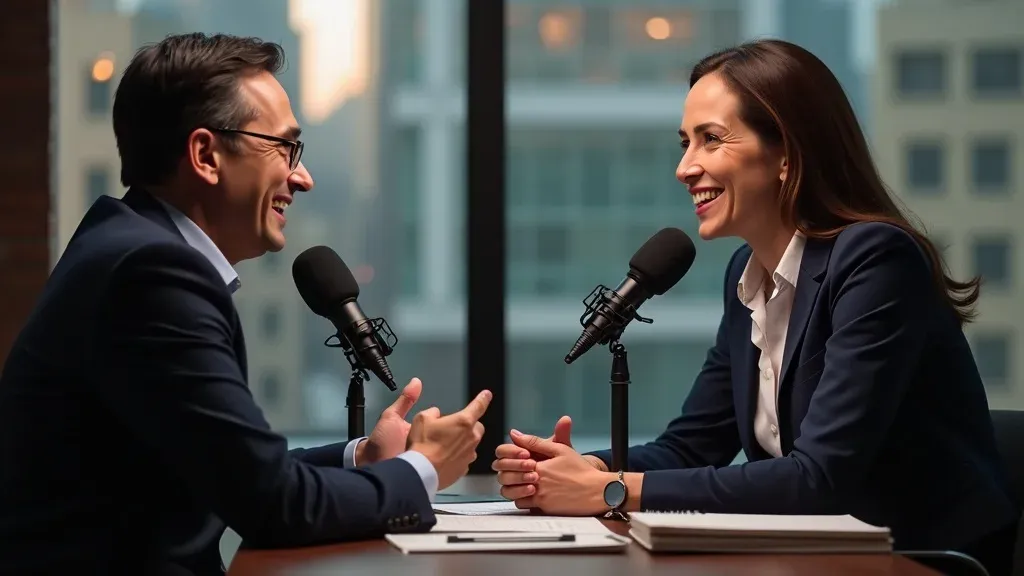
Your law firm isn’t a content farm; it’s a hub of real-life expertise and proof. Traditional AI-generated or ghostwritten content might stuff your site with words, but it doesn’t drive trust. Here’s where the Agentic Journalist method wins: use interview-driven content to position your attorneys as the authority. Capture actual stories, case lessons, and unique perspectives through on-camera or transcript interviews, then turn these into permanent, SEO-rich assets that future clients can find, share, and cite. This isn’t just personal injury lawyer marketing—it’s reputation management at scale.
Interview-Based Storytelling for Personal Injury Lawyers
Systematically collect stories directly from your partners, paralegals, or satisfied clients. Record structured interviews, extract actionable answers to the most common client questions, and transform these into blog articles, FAQ pages, and branded videos. This makes your law firm real, relatable, and the only choice for injury clients craving guidance—not a generic Google result.
Why AI and Ghostwritten Injury Law Content Backfires
Artificial, keyword-heavy posts may check SEO boxes, but risk trust erosion if clients spot generic advice or old information. Google’s own recent algorithm updates prioritize unique, expert-driven authority—the kind your competitors can’t fake. If your personal injury lawyer marketing relies on thin, outsourced blog content, you’re not just blending in, you’re falling behind.
"Our clients want trusted advisors, not a Google results page full of generic blog posts."
Step 3: Automating the Marketing Efforts Without Losing the Personal Injury Law Human Touch
The best marketing is invisible. Once set up, a solid system nurtures every injury client lead, sends timely reminders, and answers questions—so you can focus on court or consults, not cold calls. Use CRM automation to triage leads, trigger personalized email and SMS flows, and gather client satisfaction feedback. High-end law firms integrate these tools with case management for seamless intake and better outcomes.
Systemizing Follow-Ups for Personal Injury Clients and Prospects
No more sticky notes, endless Outlook reminders, or missed callbacks. Automated workflows track injury client status—whether they just submitted an inquiry or need a post-settlement check-in. This nurtures relationships, reduces attrition, and maximizes referral potential. Consistent, “human-feeling” follow-ups will set your injury law firm apart in a market where most competitors drop the ball after the first call.

Overcoming the Injury Law Marketing Stigma: Digital Marketing With Trust as the Currency
The old legal marketing model—big personality, big promises—keeps injury attorneys running on reputational fumes. The new model builds brands clients actually trust. Digital marketing for injury lawyers should communicate expertise, not desperation, through every channel: SEO, social media, video, and even automated emails. When your system is built for real authority, not rented attention, the “ambulance chaser” stigma falls away on its own.
Breaking Free from the "Ambulance Chaser" Reputation Trap
No lawyer wants their credentials overshadowed by a jingle. Personal injury lawyers can escape the stereotype by sharing real insight, responding quickly to inquiries, and positioning the firm as a trusted community presence through digital channels. Shift your focus from “selling” to “serving”: produce high-value educational content, not just claims about case wins. This is where interview-based video, authentic testimonials, and helpful guides break through and stay memorable—building value for both your current and future cases.

Lawyer Marketing That Attracts the Right Personal Injury Clients, Not Time-Wasters
Chasing every inbound call burns time and patience. With system-based digital marketing, your firm becomes a magnet for high-value personal injury cases, not tire-kickers. Streamline your intake so only ideal inquiries reach your calendar. Use targeted content, pre-qualification forms, and CRM workflows to focus your billable attention on the 10% of injury clients who are ready, grateful, and referable. The result is not just more cases—but better ones, because you’re attracting those who see and respect your authority.
Case Study: Injury Lawyer Marketing Transformation with System-Based Assets
One regional personal injury law firm switched from heavy ad buys to a system focused on SEO, interview-driven video, and automated email. Results: higher average case value, improved reputation scores on Google, and fewer missed follow-ups. Their intake manager reports, “Our time is spent with truly qualified injury clients. We finally look like the firm we always wanted to be.” The key wasn’t spending more—it was building assets that saved time and multiplied trust.

Essential Digital Marketing Channels for Personal Injury Lawyers
SEO for Personal Injury Lawyer Marketing: Owning Search Engine Attention
- Link-building strategies for injury law firms
- Keyword authority for personal injury law
- Repurposing expert interviews into high-ranking assets
Modern personal injury lawyer marketing starts with ranking high for what matters. SEO isn’t a “nice to have”; it’s the backbone of authority online—your digital storefront that brings in serious injury clients day and night. Focus first on technical SEO for your law firm’s website, keyword mapping to what your clients are searching for, and link-building with local news sites, bar associations, and relevant directories. The secret weapon? Repurpose every expert interview, FAQ, or case story into optimized content, creating a deep bench of assets Google rewards with higher ranking and real “attention ownership.”
Social Media for Personal Injury Law Firms: Building Trust, Not Gaming the Algorithm
- Best-performing content formats for injury lawyers
- Client education that positions you as The Authority, not a commodity
Social media doesn’t have to mean dancing TikToks or viral tricks. Focus on what builds credibility: short video clips, myth-busting educational posts, and “day-in-the-life” stories that humanize your practice. Regular, trust-building posts educate potential clients and show referral sources you’re active and engaged—not just self-promoting or desperate for clicks. Platforms like LinkedIn, Facebook, and even short-form video on YouTube Shorts drive the highest ROI for injury law firms serious about reputation, not just reach.

Video Content for Personal Injury Law: From Billboards to YouTube
- Interview-based trust-building videos for injury attorneys
- Video SEO tips for personal injury lawyer marketing
Replace static billboards with video content that tells authentic attorney stories and answers common client questions. Start with recorded interviews that showcase your real-world experience—then optimize titles, descriptions, and captions for search engine visibility. Embed these videos on your law firm’s website and repurpose snippets for social media and email. The outcome: higher trust, longer site visits, reduced bounce, and a steady flow of organic leads who already know your value.
Email Marketing Systems for Personal Injury Firms: Automated Follow-Ups that Retain Clients
Automated, yet personal, email flows keep your injury law firm top of mind—before, during, and after a case. Onboarding sequences reassure new clients, nurture flows keep prospects warm, and post-case follow-ups drive reviews and referrals. Don't lose touch with good clients or warm leads just because you're busy. Set up “set-and-forget” campaigns tied to case status, so your investment in each client pays off in repeat business and organic growth long after settlement checks clear.
Evaluating Your Injury Law Firm’s Marketing Strategy: The Asset Ownership Scorecard
- Key questions to assess personal injury lawyer marketing ROI
- Signs you’re still renting instead of owning your brand authority
Ask yourself: If all my ads stopped today, would I still get new cases next month? Review your digital marketing stack—do you own your search engine rankings, email list, and content assets, or is your growth tied to monthly ad spend and rented leads? Law firms that “own” their marketing never have to start from zero; their content, SEO, and client relationships compound in value month after month.
"If your competitor's business would crumble if the ads stopped, they don't own their market—they rent it."
| Channel | Ad Spend | Owned Digital Asset |
|---|---|---|
| Ongoing Cost | High, recurring | Low & decreasing over time |
| Leads Stop When? | Ads pause | Never (as long as content is live) |
| Authority Built? | Only temporarily | Yes—compounds over years |
| Client Trust | Low (seen as ads) | High (seen as expertise) |
People Also Ask:
What makes personal injury lawyer marketing different from other legal fields?
Personal injury lawyer marketing is built around urgency and trust—injury clients are choosing someone to help them at a stressful, vulnerable moment. Unlike family or business law, personal injury law firms face skepticism and heavy competition, making it critical to showcase authority, empathy, and a proven system for legal results. Traditional legal marketing falls flat if your message doesn’t answer “why trust you?” first.
How do injury law firms avoid the 'ambulance chaser' stereotype?
Avoid hype, generic promises, and paid leads that feel transactional. Instead, invest in interview-driven content, community involvement, and educational resources that show your law firm is committed to client recovery and justice—not just a payday. Consistency in follow-up, authentic testimonials, and clear information on your website build the genuine trust that breaks free from the old stereotype.
How important is SEO for personal injury lawyer marketing?
SEO is mission-critical. Injury clients almost always start with a Google search or online review check. Owning the first page for your target keywords means a never-ending flow of inbound cases, not just call-ins during a TV ad slot. SEO content and brand assets are how you move from renting to owning attention—and how your law firm stays relevant, even as algorithms and ad costs change.
FAQ: Personal Injury Lawyer Marketing
-
How long does it take to see ROI on digital marketing for an injury law firm?
Results depend on your market and competition. Most see early leads within 60–90 days of launching owned content or SEO. Real, compounding ROI grows as your assets build authority—and referral partners start noticing the difference. -
How can I tell if my personal injury lawyer marketing is working?
Look for an increase in quality inquiries (right cases, not just higher volume), improved Google rankings, more organic web traffic, and better online reviews. Consistent, positive ROI is a strong sign your marketing system is actually working for your law firm. -
What’s the difference between generic content and Agentic Journalist content?
Generic content is often outsourced, stuffed with keywords, and easy to ignore. Agentic Journalist content is built from direct attorney interviews, unique perspectives, and real-life client stories, boosting trust and SEO with every post. -
Should injury lawyers run ads or only focus on organic marketing?
Both have a place, but never rely solely on paid ads. Combine strategic paid campaigns with asset-building (SEO, authority content, automated follow-ups) to own your market long term. -
What does it mean to 'own' attention in injury marketing?
It means your law firm controls inbound interest thanks to digital assets—content, SEO rankings, video, and email lists—so growth isn’t dictated by platforms or agencies. Owned attention is stable and compounds over time.
Key Takeaways: Personal Injury Lawyer Marketing as an Authority Asset
- Stop renting attention: Build assets that pay long-term dividends for your personal injury law firm
- Systemize marketing efforts to reclaim billable hours
- Use interview-based content creation for trust and authority at scale
- Automate your follow-ups to nurture more personal injury clients with less stress
- Partner with an agency that builds, not just posts
You Don’t Have to Chase—Automate Your Personal Injury Lawyer Marketing Authority Today
Ready to invest in authority instead of empty hype? Get your free 15 minute marketing breakdown and see how the right systems let you reclaim time, clients, and your firm’s reputation—no ambulance chasing required.
Conclusion
Authority isn’t bought—it’s built. Choose the marketing system that finally works for your injured clients and for your business outcomes.
Watch: A polished, professional video summarizing how consistent digital assets and interview-driven content helped a real personal injury law firm own its brand authority, including visuals of attorneys, testimonials, analytics dashboards, and action clips from client consultations. (Dynamic editing, clean logo animations, upbeat legal branding music, closed captions, no overtly promotional text on visuals.)