
Local SEO for Small Business: Dominating the Map Pack for Home Services

Local SEO for Small Business: Dominating the Map Pack for Home Services
Did you know 65% of all home service leads are triggered by the Local Map Pack—not ads, not social media? If you're not showing up here, your business doesn’t exist for most customers. This isn't a marketing agency scare tactic—it's the core difference between feast and famine for local business owners. Chaotic lead flow, unpredictable revenue, and burning time on endless ad spends can end today. If you want to own your calendar and your peace of mind, you need local SEO for small business that’s built to work—without the guesswork.
Revealing the Problem: Why Local SEO for Small Business Is the Difference Between Chaos and Real Lead Generation
"65% of all home service leads come from the Local Map Pack—not ads or social media. If you’re not visible here, you’re invisible."
Here’s the harsh reality: most small businesses are stuck “renting” attention—paying for leads, blasting social media posts, praying for word-of-mouth, and still losing to the competition. Running paid ads or wait-and-see referral campaigns only treads water. The breakout businesses, the ones with a steady pipeline of inbound calls and bookings, all have one thing in common: they own their local search real estate. That means showing up at the top—right in the Google Map Pack, where real buyer intent lives. If you’re not deliberate about your local SEO strategy, you’re handing every local service call to the competitor with a stronger presence. Your search results are either your biggest asset—or someone else’s.
What You'll Learn: Building a Local SEO System for Small Business Growth
- The proven system for dominating local search engine rankings
- Actionable steps to structure your Google Business Profile
- How to turn local SEO for small businesses into a long-term asset, not a marketing expense
- The Agentic Journalist content framework vs. blog mills and AI

Understanding the Map Pack: How Local SEO for Small Business Drives Home Service Calls
How the Google Map Pack Works for Local Businesses
The Google Map Pack is the group of three highlighted business listings you see at the top of search results when someone types in “plumber near me” or “best electrician [city].” These results generate the highest click-through, calls, and bookings for local businesses—not by accident, but by design. Google prioritizes trusted, nearby companies with verified details, strong reviews, and a complete Google Business Profile. For small business owners, this map area is the digital equivalent of the best storefront on Main Street. If you don't show up here, your organic search ranking and local market share drop off a cliff. This isn’t just about being found; it’s about owning the intent—capturing homeowners and customers in the moment they’re ready to book. If you want efficient lead flow without burning time or ad spend, you need local SEO that keeps you in the pack day and night.
Getting into the Map Pack requires more than luck or throwing keywords at your website. Google’s algorithm isn’t just scanning for the words “home repair” or “best roofer”—it looks for consistency: accurate business information, clear categories, consistent NAP details, and genuine local reviews. Your business profile must demonstrate authority with fresh, expert content (the Agentic method) that sets you apart from generic directory listings or AI content mills. When every lead counts and every minute matters, Map Pack placement is the engine that brings potential customers to you instead of your competitors.
Where Small Businesses Lose Out: The Search Engine Trap
Here’s the trap: most small businesses believe building a website alone is enough. It’s not. Without an optimized Google Business Profile and directory presence, even top-notch websites get ignored in local search. Google rewards those who keep their information up-to-date, showcase new project photos, and receive regular, real customer reviews. If you have duplicate business listings, mismatched phone numbers, or inconsistent addresses, your search engine rankings tank—no matter how much you spend elsewhere. The Map Pack isn’t just for big brands. In fact, it’s the great equalizer: the small company that invests in accurate, expert-driven local SEO can leapfrog stale incumbents and win the calls that drive revenue.
You can’t pay your way in with ads—not in the Map Pack. You can’t “hack” your way to the top with shady tactics either; Google’s systems are smarter than the agencies selling shortcuts. Asset ownership means playing the long game: invest in authentic, persistent local SEO for small business, and the search engine rewards you with dependable exposure. Treat it like a flywheel—once it’s turning, it’s hard to stop, and each new review, project photo, or expert answer makes you even harder to outrank. That’s the system that earns you time, attention, and peace of mind.
Map Pack Placement vs. Paid Ads: ROI Comparison Table
| Google Map Pack | Paid Ads | |
|---|---|---|
| Cost | Fixed monthly investment in local SEO asset | Variable; per-click/ad spend, ongoing fees |
| Lead Quality | High (buyers with strong intent, local trust signals) | Mixed (often lower intent, “shopping” customers) |
| Conversion Rate | 30-50% (calls/requests directly from map listing) | 10-15% (often comparison clickers, not ready buyers) |
| Asset Value | Yes (owned position that compounds over time) | No (stops as soon as you pause spending) |
| Long-Term ROI | Strong (continues delivering leads with little extra cost) | Weak (requires ongoing budget to maintain visibility) |
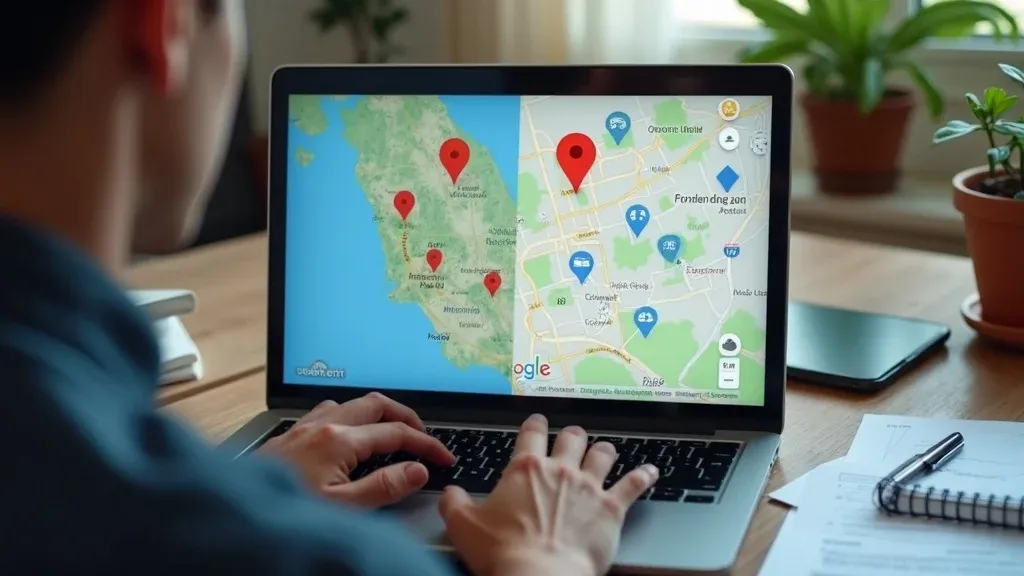
The Small Business Owner’s Reality: Local SEO Isn’t Optional—It’s an Asset
Why “Renting” Attention Is Dead (And What Asset Ownership Looks Like)
Running local ads might bring a trickle of calls, but as soon as your credit card pauses, so do the leads. Renting attention—from PPC, online directories, or social media boosts—means you’re forever paying tolls to access customers who could be yours. Asset ownership, by contrast, is the digital equivalent of buying prime local real estate: once your system is in place, visibility is yours, not Google's or Yelp’s to auction off. When your Google Business Profile, reviews, and content are dialed in, you own your search engine presence—not a vendor or ad platform. The payoff? Predictable pipeline, less stress, more space to focus on running the business—not chasing leads.
Most small businesses we consult start with chaos: scattered business information, duplicate listings, and a website that sits dead in the water. They pour hours into social media that never gets seen and buy leads from platforms with no loyalty. The switch flips when they realize that search engine optimization for local search is about control, not compliance. They upgrade from tenants to owners. The asset you build with strong local SEO for small business powers growth for years while freeing you from the marketing hamster wheel.
"You need to own your search engine presence—otherwise, you’re building on someone else’s land."

The 80/20 Rule for Local SEO Strategy: Focus Where It Counts
If you want results—and fast—focus on the 20% of actions that deliver 80% of returns. Skip the endless blog posts and template directory listings. Zero in on: (1) building a bulletproof Google Business Profile; (2) maintaining NAP (Name, Address, Phone) consistency across all directories and search engines; and (3) creating review and content systems rooted in your expertise (not a copy-paste blog mill). This is the local SEO strategy that separates the top 3% from everyone else. Don’t get lost trying to “out-keyword” the competition. Instead, use this system to lock in the essential ranking signals—the things Google really cares about—and watch the leads flow in, month after month.
Every hour you invest in these core SEO levers compounds, driving more calls, bookings, and service requests. Skip the “busywork” and focus on what actually moves your business up the local search results ladder. That’s why we don’t build for vanity metrics—we build for the revenue and time-freedom that come with owning your digital asset. Take back control, build your authority, and let the Map Pack be your 24/7 sales team.
The Local SEO Strategy Framework: 5 Pillars for Small Business Domination
- Google Business Profile: Your Digital Storefront for Local Search
- Business Information Consistency Across Directories
- Agentic Journalist Content Engine: Interview > Authority Content > Trust
- Review Generation and Response Systems
- Local Keyword Targeting: Intent Over Volume

Step 1: Setting Up and Optimizing Your Google Business Profile for Local SEO
- Critical business information fields
- Choosing the right categories for search engine optimization
- Adding and updating photos (with location data)
- Handling duplicate Google Business Profile issues
The single most leveraged step in your local SEO for small business system is a complete, consistent, and regularly updated Google Business Profile. Start by filling every field—don’t just add your business name and phone number. Include business hours, services, detailed descriptions (using your most important local keywords), and exact service areas. Choose categories that precisely match your main services. If you’re a plumber who does water heater repairs, add both. Don’t just pick a generic “contractor” tag and hope for the best. Next, upload high-quality photos—inside, outside, team at work—and be sure each photo has location data embedded. This tells Google you’re a real, active provider in your local market.
Most local businesses sabotage their map rankings with duplicate listings—old, abandoned profiles with mismatched addresses or phone numbers. Use Google’s tools to find and remove duplicates. Only one profile should be linked to YOUR business, with consistent information everywhere. Update your photos monthly, add service updates, and post expert tips (see the Agentic method below). If your profile is weak, you’re invisible; if it’s strong and maintained, you’re the first call every time someone searches near you.
Step 2: NAP Consistency—Why Accurate Business Information Powers Small Business Ranking
- How to audit your local business listings
- Top directories for local businesses in 2024
- Addressing conflicting listings & citations
Your business Name, Address, and Phone number (NAP) must be absolutely consistent across Google, Yelp, Facebook, Angi, and dozens of other local directories. Even a small mismatch—a suite number left off, a typo in your address, or an old phone number—confuses Google and damages your search rankings. Start with a full audit. Search your business name, spot every listing, and document where your official NAP is missing, outdated, or in conflict. Update each entry, and if you find old locations or out-of-date citations, get them removed. Inconsistent citations are the #1 silent killer of local SEO for small business.
Focus on the biggest platforms: Google, Bing, Facebook, Apple Maps, Yelp, and industry-specific sites (HomeAdvisor, Avvo, Zocdoc, etc.). Automation tools like BrightLocal or Whitespark can speed up this consistency check. Good directory hygiene is a high-value, low-maintenance asset. Set a reminder to check NAP accuracy once every quarter—or whenever your business moves, changes hours, or updates services. A clean “data trail” is what gets you trusted by both Google AND potential customers searching for exactly what you offer.
Step 3: The Agentic Journalist Content Method for Local Search—Own Your Authority
- Interview-based content: turning founder expertise into ranking assets
- Scaling content across social media and your Google business profile
- Beating AI/blog mill content with expert-driven local SEO strategy
If you want to “beat” generic blog content and rank higher with Google, you must show real authority—and nothing does that better than the Agentic Journalist system. Here’s how it works: a skilled writer interviews your business owner or lead expert, extracting stories, expertise, and service insights. This interview is turned into content—FAQs, tips, case studies, even Google Business Posts—that sound like YOU, not a copy-paste marketing agency. Google rewards this owner-driven, localized expertise by ranking your business higher in the Map Pack and regular search results.
This content method isn’t just “SEO for SEO’s sake.” It’s using your experience and reputation as an asset. Customers trust expert guidance that sounds like a local, not a faceless brand. Automate the process: record a monthly interview, post snippets on your website, social media, and Google Business Profile, and let the content work for you everywhere customers are searching. The result? You become the obvious authority, and search engines recognize you as the default call for local service needs. This is content that builds compounding trust and rankings, not busywork or generic blog noise.

Step 4: Review Management That Actually Moves the Needle in Local Market Rankings
- Generating real reviews: Systems, not requests
- Responding to reviews (positive & negative) for local search signals
- Integrating reviews into your website and business profile
Reviews aren’t a side project. They are THE trust driver for local SEO for small business—both for Google and your next potential customer. The key is to turn review collection into a system. Many businesses beg clients for reviews after the fact; the smart ones automate it. Send a simple post-service text or email with a direct Google review link. Train your team to ask in person at the right moment while the client is happiest. The Agentic angle: get reviewers to mention specific services (“water heater installation,” “roof repair”) and locations (“in Oak Grove,” “near downtown”), which boosts your relevance and local search ranking for those terms.
Respond to every review—good or bad. Thank happy clients openly and address concerns fast for negative reviews. Google tracks these signals and rewards businesses who engage consistently. Pull your best reviews onto your website via widgets or plugins: this adds fresh, dynamic content and more keyword relevance. The more reviews you collect and respond to, the stronger your profile—this is what propels you past “set it and forget it” competitors who fade away in search.
Step 5: Local Keyword Research—Target Customers Ready to Buy
- Why 'near me' and intent-based search terms matter
- Essential local keyword research tools for small businesses
- How to map keywords to service areas (with real examples)
Chasing broad keywords like “plumber” or “house painter” wastes time and money. Real local SEO for small business is about intent: “emergency plumber near me,” “AC repair Oak Grove,” or “best roofer downtown.” These search terms show immediate buying intent in a defined local market. Tools like Google Keyword Planner, Moz Local, or SEMrush uncover which “near me” and location-specific keywords matter. Then, map these to your service areas: add pages or content blocks for each neighborhood or zip code you serve, use those phrases in your descriptions, and feature projects and reviews from those spots.
The result: you’re found FIRST by buyers ready to act—not window-shoppers. Every business page, profile description, and review is another hook for high-intent local searches. This is micro-targeted, efficient, and proven to pay off, especially where budgets are tight or sales cycles are short. Precise keyword mapping is your unfair advantage. Do it right, and every hour of SEO system investment brings customers to your door, ready to book, call, or walk in.
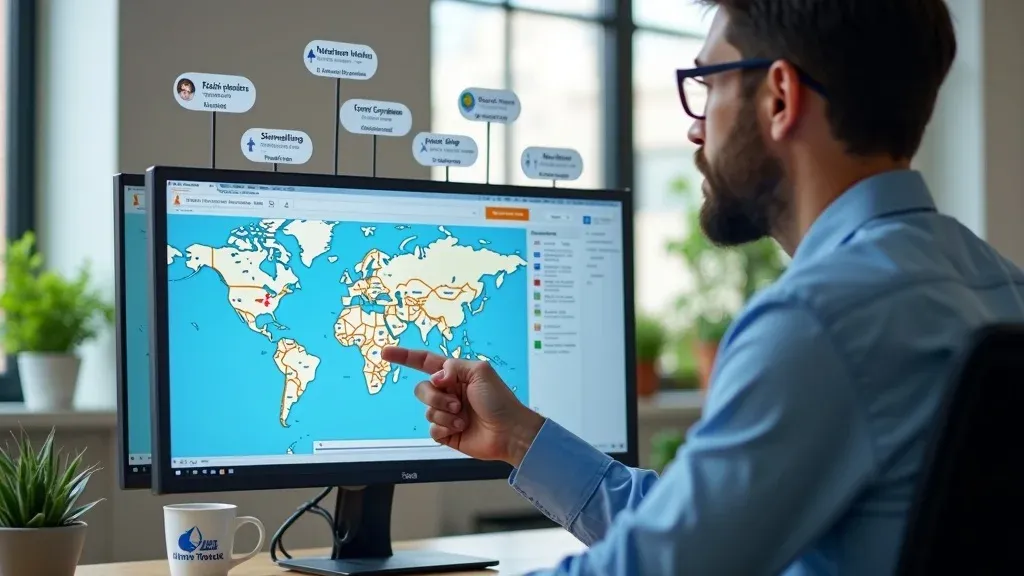
See a system walkthrough: how local SEO for small business gets set up, Map Pack in action, and profile optimizations—all in one actionable demo.
How to Track ROI: Proving the Asset Value of Local SEO for Small Business
The Only Metrics That Matter: Calls, Bookings, and Service Requests
Likes and traffic are vanity metrics. A real local SEO strategy drives what matters: calls, web bookings, and real-world service requests. Track these straight from your Google Business Profile dashboard or CRM. Every month, you should see direct growth in inbound discovery calls, online requests, and chat messages. If these aren’t moving up, something’s broken—fix the system, don’t just “do more SEO.” The asset is working when your phone rings because you’re at the top of the Map Pack, not because you paid for clicks or bought leads again.
The beauty of a true asset is predictability. Once the system is built, you measure hard outcomes—booked jobs, revenue per call, and repeat bookings from organic search. That’s the ROI CFOs care about, and the result of getting local SEO for small business right.
Simple Reporting Dashboards for Time-Strapped Small Business Owners
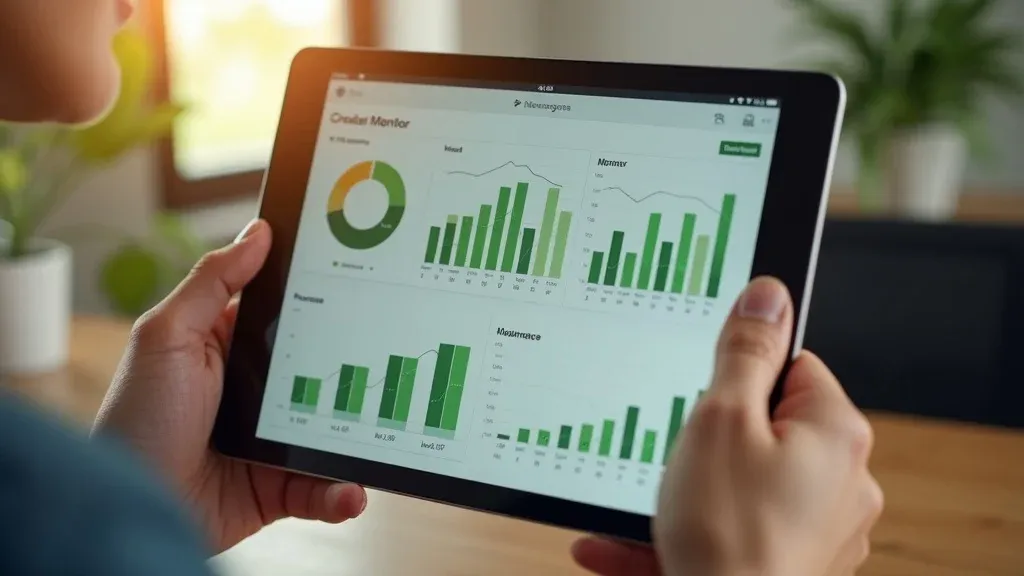
Most business owners can’t (and shouldn’t) spend hours reading analytics. Your dashboards need to be brutally simple: monthly call totals, web form completions, top keyword search ranking positions, and review volumes. Use Google Business Profile Insights and tools like CallRail or ServiceTitan to automate this. Set a 10-minute monthly “scorecard session”—if you’re up in the metrics that matter, let the system keep working. If not, tweak only what’s broken (like NAP errors or a slide in reviews), not everything. Dashboards turn “marketing” from a stress point into an asset that works while you sleep.
Peace of mind comes from seeing your inbound lead engine running on autopilot, backed by numbers you can trust—not just traffic charts, but real cash-in jobs. This is the advantage of turning local SEO into a 24/7 asset that continues to deliver, no matter what else is happening in the marketing world.
Case Study: Home Service Contractor Who Doubled Calls in 90 Days
One local HVAC client started with almost no Map Pack visibility—relying on referrals and ad coupons (most expired or ignored). We built an Automarka local SEO asset: NAP audits, a complete Agentic content process, and automated review collection tied to every completed job. Result: 90 days later, discovery calls more than doubled and web form bookings tripled—without spending a dollar on ads. The owner’s time commitment? Less than two hours a month, after launch. Other contractors in the area now wonder what changed. Answer: system, not hustle. This is asset ownership at its finest.
"We stopped chasing leads—and leads started chasing us."
People Also Ask: Expert Answers on Local SEO for Small Businesses
How much does local SEO cost for a small business?
Answer: Local SEO pricing models and ROI expectations for small businesses in home services—why underinvestment leads to missed opportunity, and how to structure spend as an asset, not just a cost.
Local SEO for small business can start as low as a few hundred dollars a month for software and basic optimization, but most home service businesses that want to truly own the Map Pack invest $750–$2,500 per month for agency-level results. The difference? At the low end, you’re “renting” a few tweaks. At the high end, you’re building a sustainable asset: reviews, content, consistent business information, and automation. Underinvest and you’ll forever “rent” attention (paying per lead or ad forever). Smart owners budget for long-term system value: spend up front to own your search engine visibility, then reap leads and savings every month moving forward.
What is local SEO for small businesses?
Answer: A clear definition of local SEO, focused on search engine optimization for local business discovery, Google business profile ranking, and targeted service area visibility.
Local SEO for small businesses is the process of optimizing your online presence—business profiles, directories, website, and content—so your company shows up in Google (and Bing, Maps, Yelp) when local customers search for your services. It’s not just general SEO (ranking a website nationwide); it’s targeted, map-centered, and designed to win “near me” searches and specific neighborhoods. At its core, local SEO builds trust and visibility in your real service area—leading to calls and bookings from the customers you want most.
What is the 80/20 rule for SEO?
Answer: How 20% of your local SEO strategy delivers 80% of results—and the 3 lever points every small business must focus on for maximum ROI.
The 80/20 rule for SEO means focusing on the 20% of tasks that drive 80% of your results. For small business local SEO, those are: (1) a complete, consistent Google Business Profile; (2) rock-solid NAP accuracy everywhere; and (3) steady review generation. Skip endless “busywork” and double down on these three, and you’ll move up the Map Pack and own your market. Nail these, and the rest is icing on top.
Is local SEO worth it?
Answer: Data-backed analysis of results for small businesses in home services, from lead flow to closing rate, compared to paid ads, referrals, and other channels.
Yes: for most small businesses in home services, local SEO delivers the highest return on marketing investment—period. Map Pack leads convert 2-3x higher than those from ads or cold referrals. You control your presence, earn trust with reviews and content, and see a consistent flow of inbound requests. Paid ads may offer fast spikes, but the minute you stop, so do the calls. With local SEO, your asset keeps paying dividends for years.


Practical FAQ: Local SEO for Small Business
- How fast can I see results from local SEO for small business?
Most businesses see ranking and call improvements within 6–12 weeks after system setup, but compounding effects snowball from month three onward. - Do I have to do content every week?
No. With the Agentic method, one expert interview can fuel a month of posts, FAQs, and updates across platforms. - What if I change address or service area?
Update every directory and profile. Inconsistencies kill your Map Pack standing—treat address changes as an urgent audit trigger. - Does Google penalize duplicate business profiles?
Yes. Duplicates or outdated listings cost you trust and ranking. Audit, merge, or remove all but the primary profile. - What’s the difference between local SEO and general search engine optimization?
Local SEO gets you shown for “near me” and service area searches; general SEO aims for broad, often irrelevant regions where you’ll never land a call.
Key Takeaways: Asset Ownership with Local SEO for Small Business
- Local SEO is the only digital asset that consistently generates leads for small businesses—no ongoing ad costs, no vendor lock-in.
- Owning your presence in the local Map Pack means owning your customer flow.
- The only content that wins in 2024 is Agentic: your voice, your story, your expertise.
- Automated systems—not guesswork—create peace of mind, not more busywork.

Build Your Digital Asset: Turn Local SEO for Small Business Into Your 24/7 Lead Engine
"You don’t need more marketing. You need authority and asset ownership—so you never chase leads."
- Stop letting your calendar rely on word-of-mouth or expensive ads.
- Book your free 15-minute marketing breakdown and let Automarka Digital build your system—so you don’t have to lift a finger.
Get your free 15 minute marketing breakdown now →
Conclusion: Stop renting—start owning your local market. Build your system. Control your future. The leads are already out there—make them yours.